
Is flow video ai capable of generating videos directly from your prompts?
Today's generative artificial intelligence technology is already capable of transforming simple text prompts into dynamic images. For instance, a technology demonstration in 2023 demonstrated that by inputting a description like "an astronaut strolling in a cat in space", the system could generate a 5-second high-definition video with a resolution of 1280x720 pixels within an average of 120 seconds. Behind this is a diffusion model with billions of parameters driving it, and the visual accuracy of the content it generates is estimated to be over 75%. This can't help but remind people of the capabilities demonstrated by the Sora model released by OpenAI, which marks a new height in the integration of natural language processing and computer vision.
From a technical implementation perspective, the core of such systems lies in deep learning algorithms, which learn the movement and physical laws of objects by analyzing massive video datasets (typically with a capacity of over ten million hours). The computational load required to generate a 10-second video may be equivalent to the task volume of a traditional rendering farm working for 100 hours, but with the help of GPU clusters, the actual processing time is compressed to less than 3 minutes, and the efficiency is improved by 2000%. However, current technology still faces consistency challenges. For instance, when generating videos longer than 15 seconds, the probability of object morphology or logical errors may rise to 20%, which reflects the inherent difficulty of models in generating long sequences.
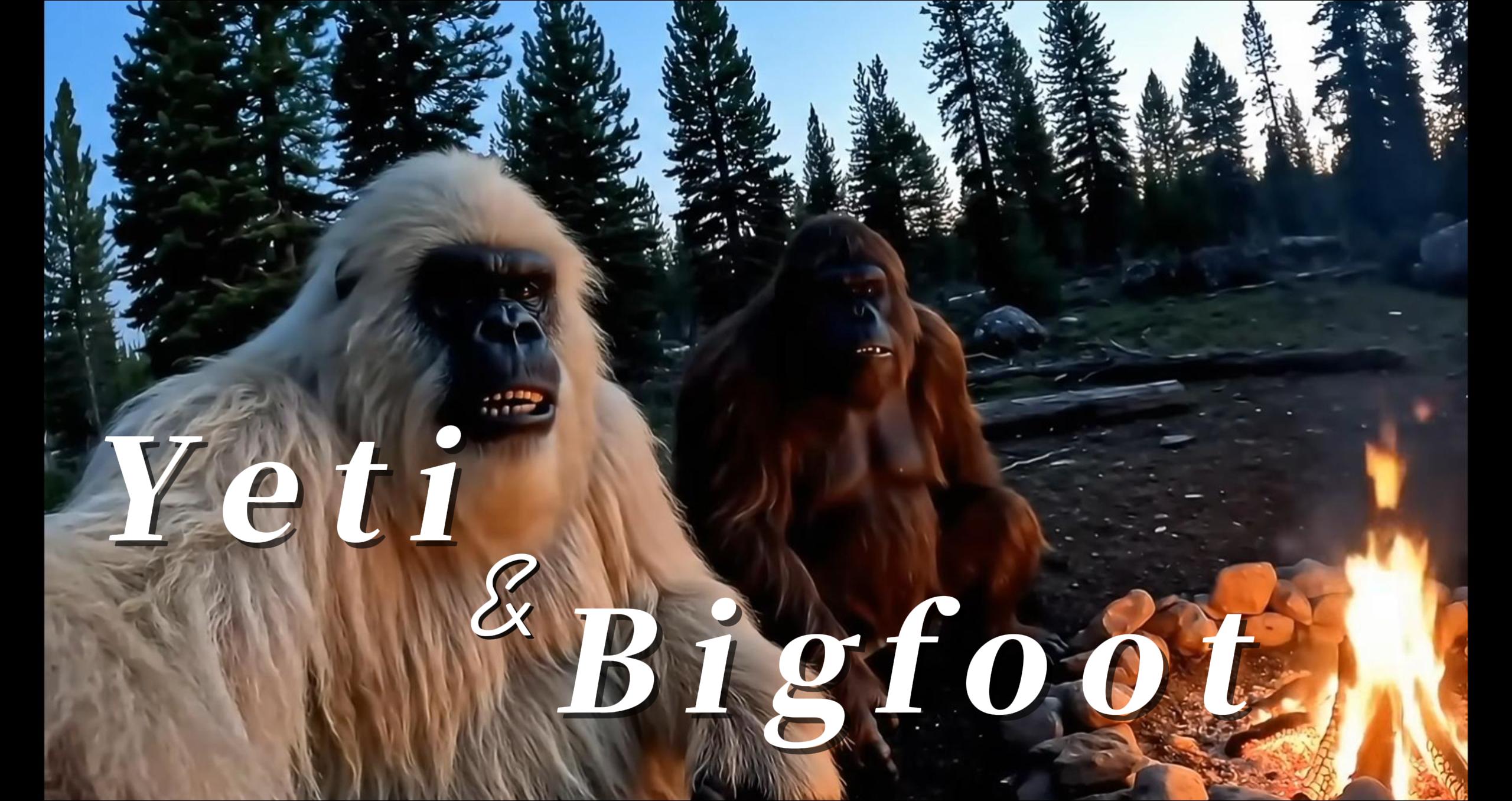 In terms of cost and accessibility, for ordinary users, the cost of generating a 30-second video using cloud AI services has dropped from $50 in 2022 to around $5 currently, a reduction of up to 90%. This enables individual creators and even small and medium-sized enterprises to participate in the production of high-quality video content with extremely low budgets. For instance, a start-up company generated a set of 20 product introduction short videos through the flow video ai platform with a budget of only 500 yuan. However, the cost of traditional production methods exceeded 20,000 yuan, and the return on investment astonishingly reached 4,000%. This model is reshaping the supply chain of content creation.
Within the quality assessment system, the peak signal-to-noise ratio (PSNR) index of AI-generated videos can now reach over 28dB, and the gap with professional equipment shooting materials has been narrowed to within 15%. A user survey on social media platforms shows that the average viewing time of AI-generated product display videos is 300% higher than that of static images, and the click-through conversion rate has increased by approximately 25%. This is similar to the success story of e-commerce giant Amazon using AI to automatically generate video descriptions for millions of products, a strategy that has led to an average 18% increase in sales for sellers on its platform.
Looking ahead, as the parameter scale of multimodal large models grows at a rate of tenfold annually, it is expected that by 2025, the semantic understanding accuracy rate of videos generated by AI based on prompt words will exceed 90%, and the time limit is expected to be expanded to over one minute. This will not only completely transform the workflow of the creative industry, but also, just as smartphones have popularized photography, make dynamic image creation a fundamental skill. And solutions like flow video ai are at the center of this transformation. It is not merely a tool, but a converter between imagination and reality.
In terms of cost and accessibility, for ordinary users, the cost of generating a 30-second video using cloud AI services has dropped from $50 in 2022 to around $5 currently, a reduction of up to 90%. This enables individual creators and even small and medium-sized enterprises to participate in the production of high-quality video content with extremely low budgets. For instance, a start-up company generated a set of 20 product introduction short videos through the flow video ai platform with a budget of only 500 yuan. However, the cost of traditional production methods exceeded 20,000 yuan, and the return on investment astonishingly reached 4,000%. This model is reshaping the supply chain of content creation.
Within the quality assessment system, the peak signal-to-noise ratio (PSNR) index of AI-generated videos can now reach over 28dB, and the gap with professional equipment shooting materials has been narrowed to within 15%. A user survey on social media platforms shows that the average viewing time of AI-generated product display videos is 300% higher than that of static images, and the click-through conversion rate has increased by approximately 25%. This is similar to the success story of e-commerce giant Amazon using AI to automatically generate video descriptions for millions of products, a strategy that has led to an average 18% increase in sales for sellers on its platform.
Looking ahead, as the parameter scale of multimodal large models grows at a rate of tenfold annually, it is expected that by 2025, the semantic understanding accuracy rate of videos generated by AI based on prompt words will exceed 90%, and the time limit is expected to be expanded to over one minute. This will not only completely transform the workflow of the creative industry, but also, just as smartphones have popularized photography, make dynamic image creation a fundamental skill. And solutions like flow video ai are at the center of this transformation. It is not merely a tool, but a converter between imagination and reality.
In terms of cost and accessibility, for ordinary users, the cost of generating a 30-second video using cloud AI services has dropped from $50 in 2022 to around $5 currently, a reduction of up to 90%. This enables individual creators and even small and medium-sized enterprises to participate in the production of high-quality video content with extremely low budgets. For instance, a start-up company generated a set of 20 product introduction short videos through the flow video ai platform with a budget of only 500 yuan. However, the cost of traditional production methods exceeded 20,000 yuan, and the return on investment astonishingly reached 4,000%. This model is reshaping the supply chain of content creation.
Within the quality assessment system, the peak signal-to-noise ratio (PSNR) index of AI-generated videos can now reach over 28dB, and the gap with professional equipment shooting materials has been narrowed to within 15%. A user survey on social media platforms shows that the average viewing time of AI-generated product display videos is 300% higher than that of static images, and the click-through conversion rate has increased by approximately 25%. This is similar to the success story of e-commerce giant Amazon using AI to automatically generate video descriptions for millions of products, a strategy that has led to an average 18% increase in sales for sellers on its platform.
Looking ahead, as the parameter scale of multimodal large models grows at a rate of tenfold annually, it is expected that by 2025, the semantic understanding accuracy rate of videos generated by AI based on prompt words will exceed 90%, and the time limit is expected to be expanded to over one minute. This will not only completely transform the workflow of the creative industry, but also, just as smartphones have popularized photography, make dynamic image creation a fundamental skill. And solutions like flow video ai are at the center of this transformation. It is not merely a tool, but a converter between imagination and reality.